

Industrial facilities
Ambient air quality control holds immense importance in industrial sites and facilities, as it serves to safeguard the health and safety of workers and neighboring communities. Industrial processes often generate emissions and pollutants that can have adverse effects on both human health and the environment. By actively monitoring air quality, we can detect these harmful substances and take corrective actions to prevent negative impacts.
Implementing effective ambient air quality control at industrial sites and facilities offers several benefits:
Early Detection and Corrective Actions: By implementing ambient air quality control measures, potential sources of pollution can be identified promptly. This enables corrective actions to be taken before significant harm is caused, ensuring the prevention of adverse effects on both human health and the environment.
Environmental Mitigation and Regulatory Compliance: Ambient air quality control helps mitigate the negative impact of industrial processes on the environment. By reducing emissions and ensuring compliance with regulatory standards, industrial sites and facilities can actively contribute to environmental preservation while fulfilling their responsibilities as responsible entities.
Enhanced Safety and Wellbeing: Implementing ambient air quality control measures improves the overall safety and wellbeing of workers and nearby residents. By reducing exposure to harmful pollutants, the risks associated with industrial operations are minimized, creating a healthier and safer environment for all.
Ambient air quality control stands as an essential component of responsible industrial facilities. By diligently monitoring and controlling air quality, we can effectively minimize the negative impact of industrial processes on the environment and human health. This, in turn, promotes a more sustainable future by fostering a healthier and safer environment for both workers and neighboring communities.
Range of controlled pollutants and parameters:
Metallurgy

CO, NO₂, SO₂, H₂S, O₃, NH₃

PM2.5, PM10

Temperature, relative humidity, atmospheric pressure, wind speed and direction
Oil refining
CO, NO₂, SO₂, H₂S, O₃, NH₃
Temperature, relative humidity, atmospheric pressure, wind speed and direction
Recommended products
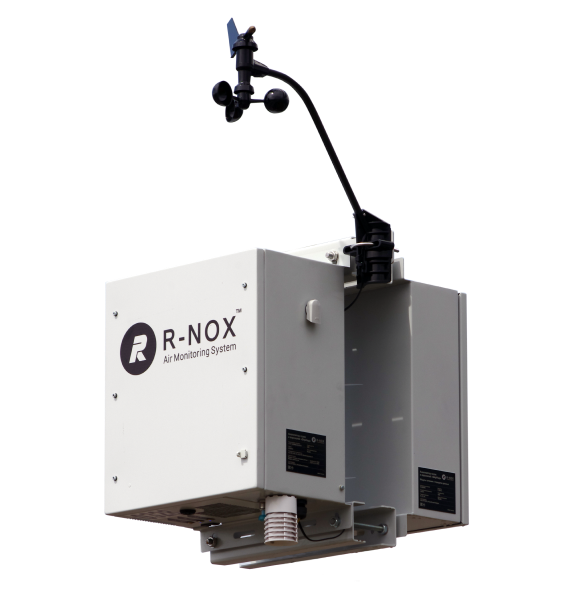
Professional gas and aerosol analyzer "AirNode"™
“AirNode”™ is the premium air quality monitoring system for real-time measurement of gaseous and particulate pollutants. It has the unique implementation concept “reference station in the small box”. It provides highly accurate results with a very strong correlation to reference analyzers.
Measured substances and parameters:

CO, NO₂, SO₂, O₃, H₂S, NH₃

PM2.5, PM₁₀

Temperature, relative humidity, atmospheric pressure, wind speed and direction